Did you know? Australia's response to Polyphagous Shot-hole Borer (PSHB) is transitioning from eradication to long-term management after experts determined that national eradication is no longer technically feasible. This makes informed community members more important than ever. By becoming extra eyes on the ground and knowing what to look for, we can all play a part in helping slow the spread of this highly destructive invasive pest and protect the trees that define our landscapes and communities.
Join the LBG team in a workshop led by DPIRD biosecurity officers for practical guidance on what to look for, how to take samples and best actions we as community members can take to help protect the trees in our area.
Click HERE to REGISTERJoin in one of these two DPIRD-led Polyphagous Shot-hole Borer Workshops
- 10am - noon, Saturday, 15th August; Where: The Dardanup Hall, 19 Ferguson Rd, Dardanup
- 1pm - 3pm, Thursday, 3rd September at the Donnybrook Recreation Ctr, 15/17 Steere St, Donnybrook
Protecting Our Trees Starts with Knowing What to Look For!
While PSHB has not been detected outside of the Perth metropolitan area, community awareness of what to look for to help protect our region's trees is becoming increasingly important as Australia’s national response transitions from eradication efforts to long-term management of this invasive pest by the end of 2026. This new phase places greater emphasis on community awareness, early detection and practical action to help slow the spread of the pest.
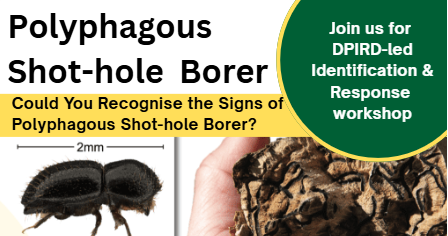
At just 2 mm long (about the size of a sesame seed), the Polyphagous Shot-hole Borer (PSHB) is easy to overlook. Yet, this tiny beetle has the potential to cause enormous damage, attacking hundreds of tree species and, in many cases, leading to branch dieback and tree death.
Whether you own a rural property, live on a suburban block with mature trees, volunteer in bushlands/reserves, or simply enjoy spending time outdoors, you could be among the first to notice signs of PSHB.
Would you know what to look for?
To help answer that question, Leschenault Biosecurity Group is partnering with experts from the Department of Primary Industries and Regional Development (DPIRD) to deliver a practical community workshop.
 The workshops will include:
- Presentations and interactive discussion with DPIRD experts about what to look for, host and other susceptible trees and more
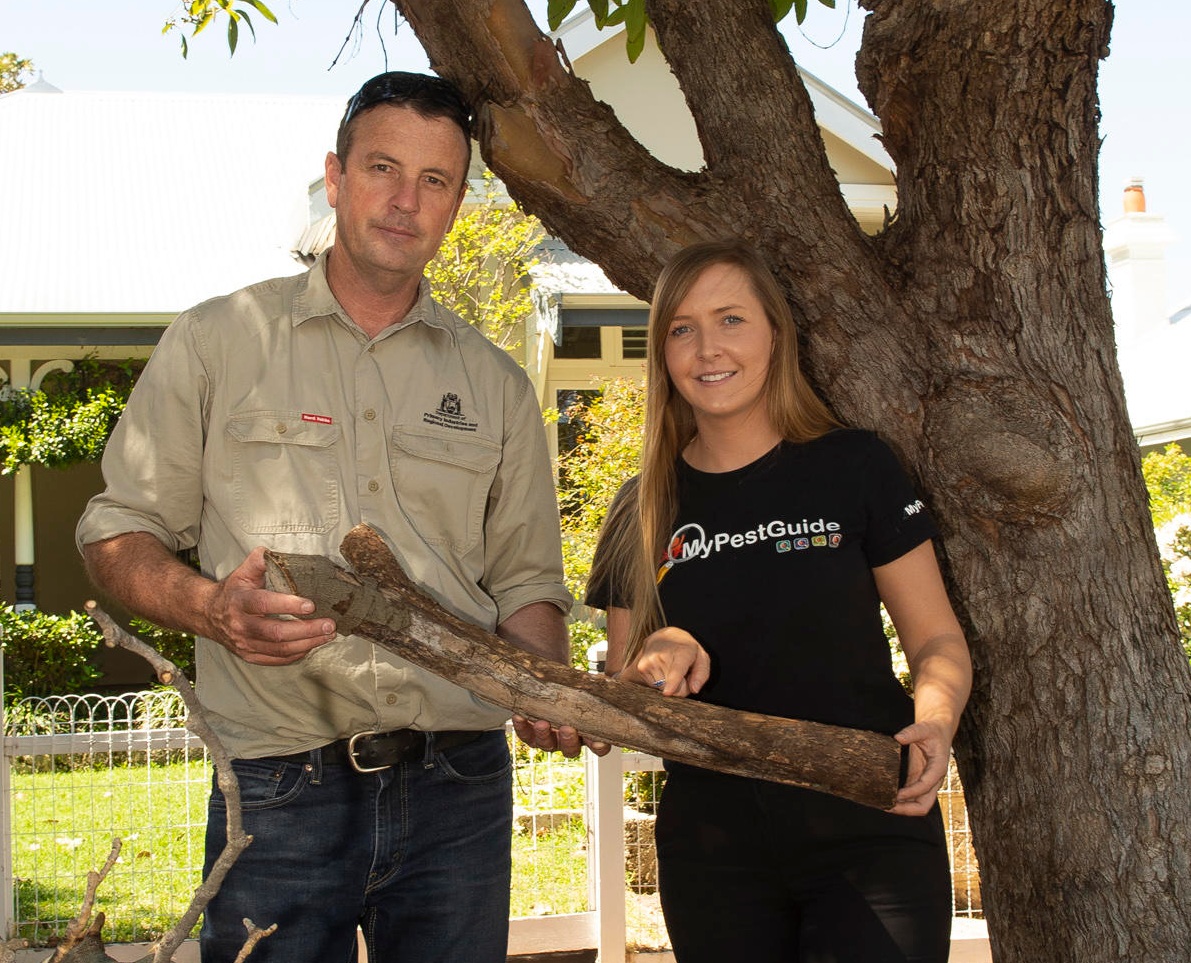
- Samples of wood infested by the PSHB
- In-field demonstration in adjacent park of what to look for and how to take samples
- Morning/afternoon tea
Recent Comments